Author: Mau Sanchez, Chief Investment Officer

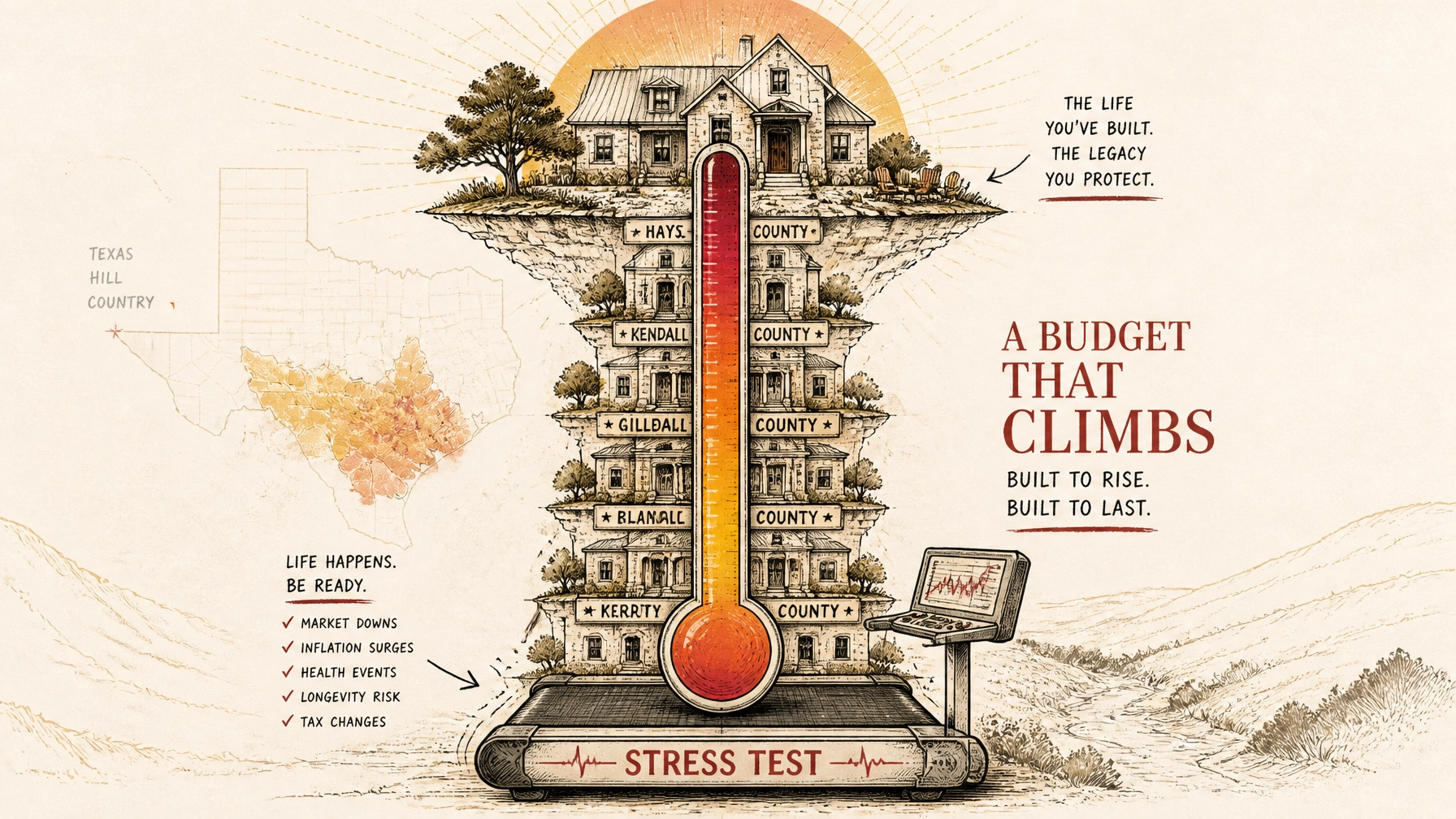
How to Stress-Test Your Retirement Budget Against Hill Country Property Tax Hikes
For many retirees, the Texas Hill Country dream includes a limestone home, a shaded porch, nearby wineries, walking trails, and enough room for family to visit. But the cost of enjoying that lifestyle is not limited to the purchase price. Property taxes deserve a place near the top of your retirement-planning checklist. A rising appraisal,…
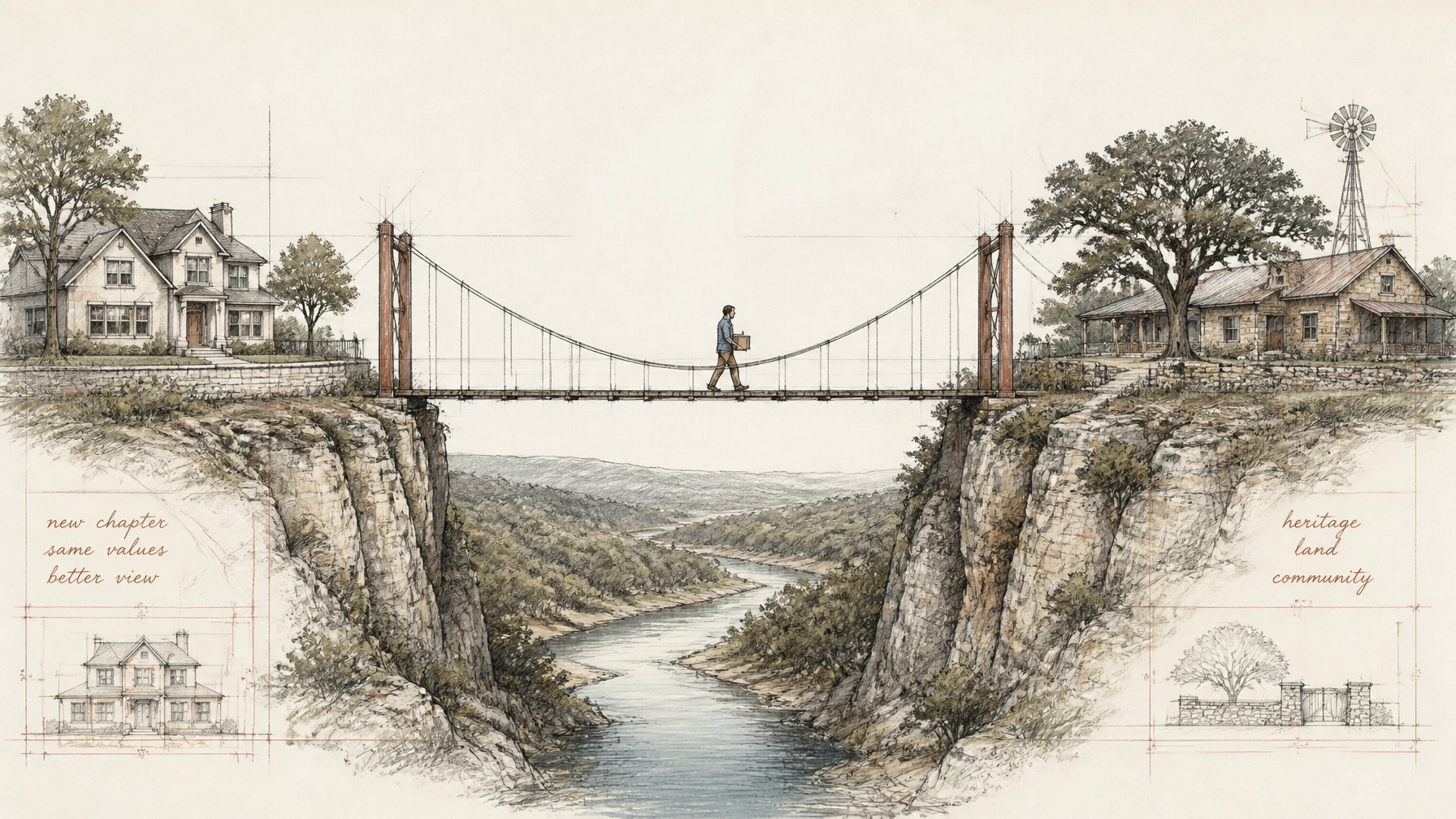
The Bridge Plan: Managing the Gap Between Selling Your Home and Buying Your Ranch
Selling a longtime home and buying a ranch-style property in the Texas Hill Country can feel like two separate decisions. In reality, they are closely connected. The timing of one transaction may affect the price, financing, cash flow, and flexibility of the other. A seller may want to buy quickly before a favorite Boerne, Wimberley,…
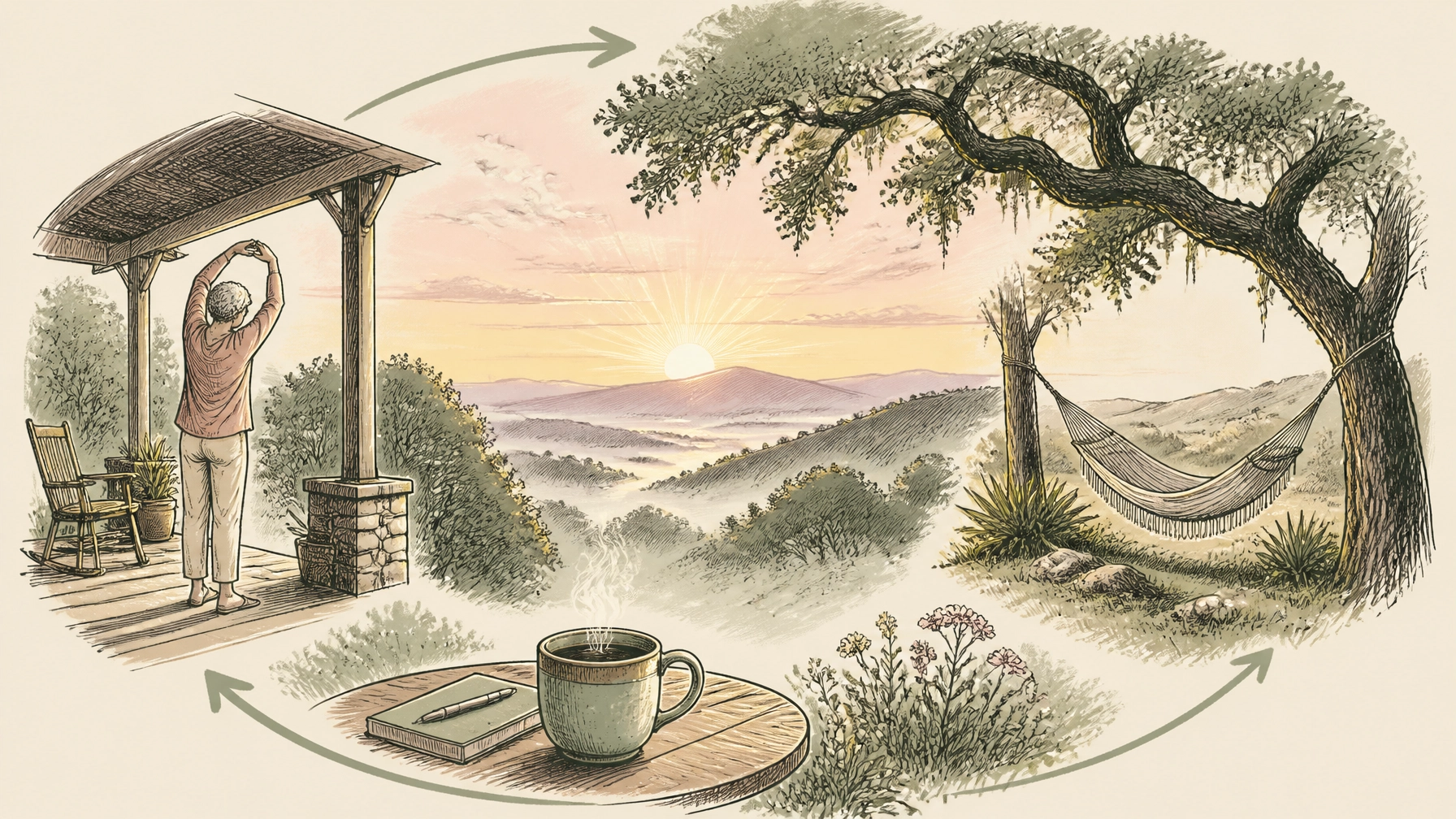
Sleep, Sun, and Slow Mornings: Why the Hill Country Pace Is Good for Longevity
When I think about a peaceful Texas Hill Country retirement, I do not picture an endless vacation. I picture something more practical—and potentially more valuable. I picture waking up without an alarm, stepping onto a shaded porch with a cup of coffee, taking a walk before the Texas heat arrives, and knowing the people I…
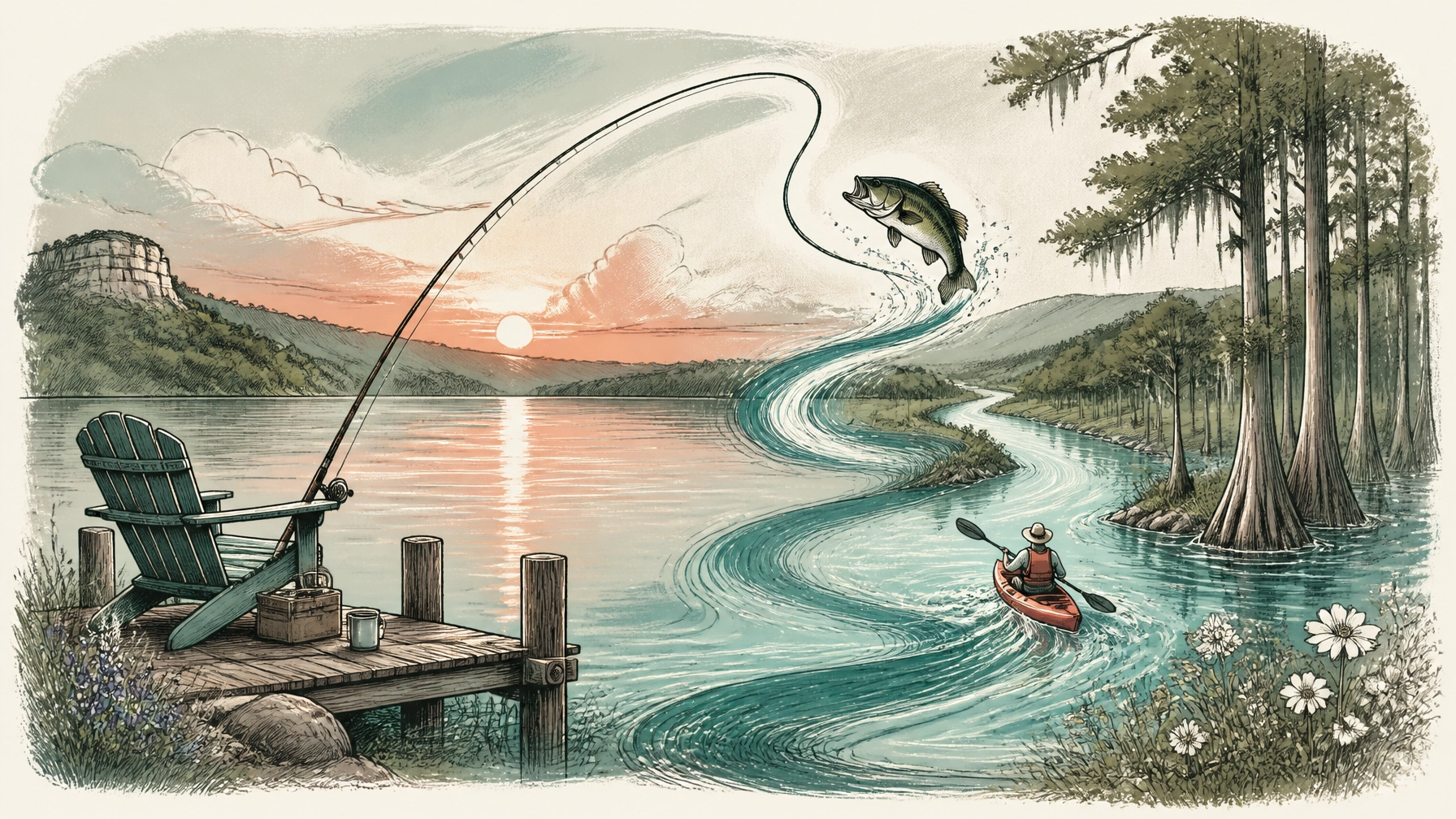
Fishing, Kayaking, and Lake Life: The Water-Based Retirement You Haven’t Considered
When people picture retirement in the Texas Hill Country, they often imagine vineyard lunches, historic downtowns, quiet ranch roads, and sunsets over limestone ridges. Those are all part of the appeal. But there is another lifestyle hiding in plain sight—mornings on the water. Fishing, kayaking, boating, and lakeside walks can give retirement a gentle rhythm…
The Mental Health Side of Relocation: Coping with the First Hill Country Winter Alone
Moving to the Texas Hill Country can feel like stepping into a long-awaited dream. You may picture quiet mornings, limestone hills, wine-country afternoons, and more time for the people and activities you enjoy. Then winter arrives. The days are shorter. Outdoor plans become less predictable. The excitement of unpacking has faded, and the people who…
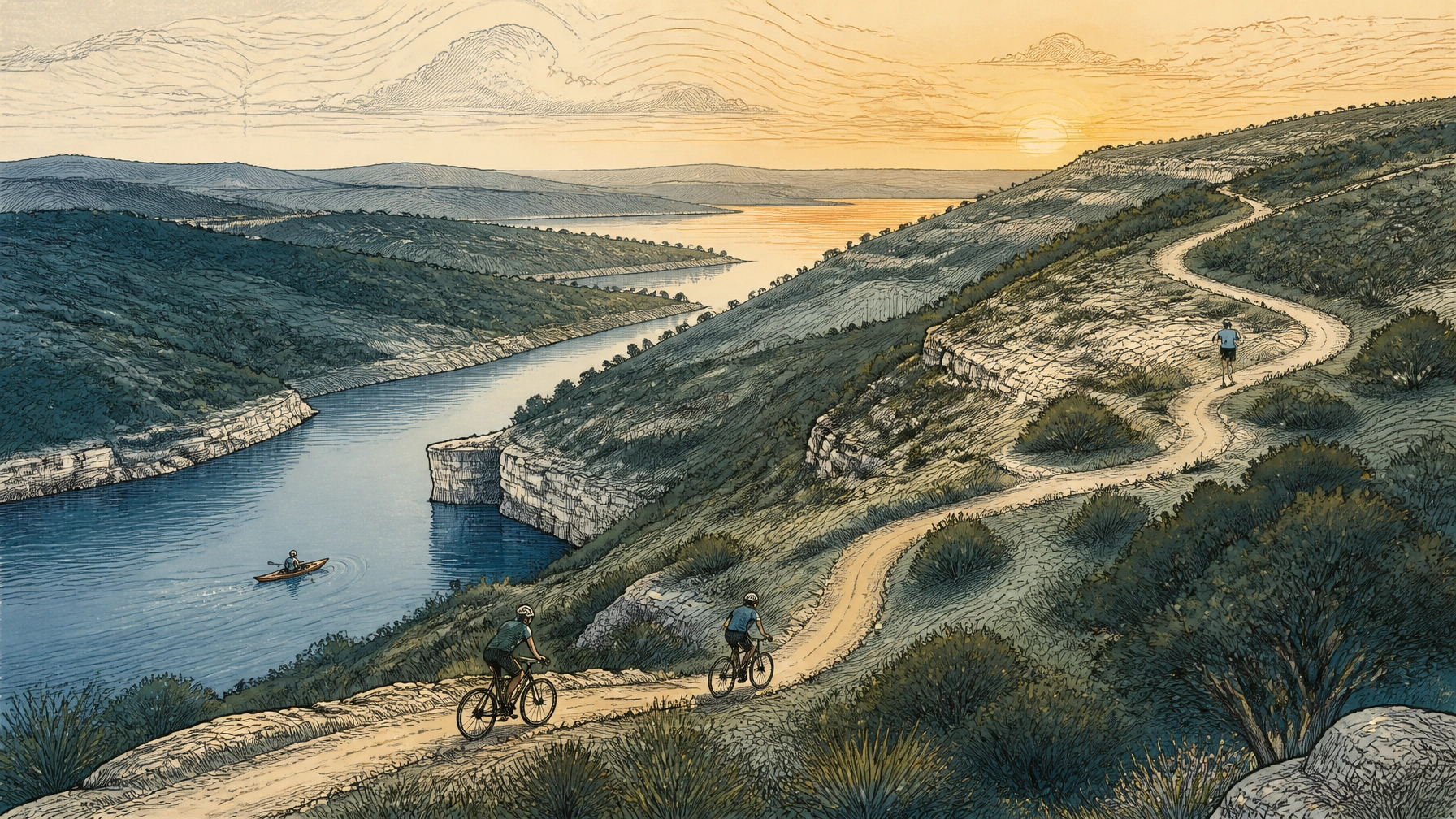
Staying Fit at Altitude: Hiking Trails and Fitness Culture from Kerrville to Canyon Lake
Retirement in the Texas Hill Country can offer more than scenic views and quiet mornings. For many retirees, it creates a daily rhythm built around movement—walking a riverside trail before breakfast, cycling through live oak country, paddling a calm cove, or joining neighbors for an outdoor fitness class. The region from Kerrville to Canyon Lake…
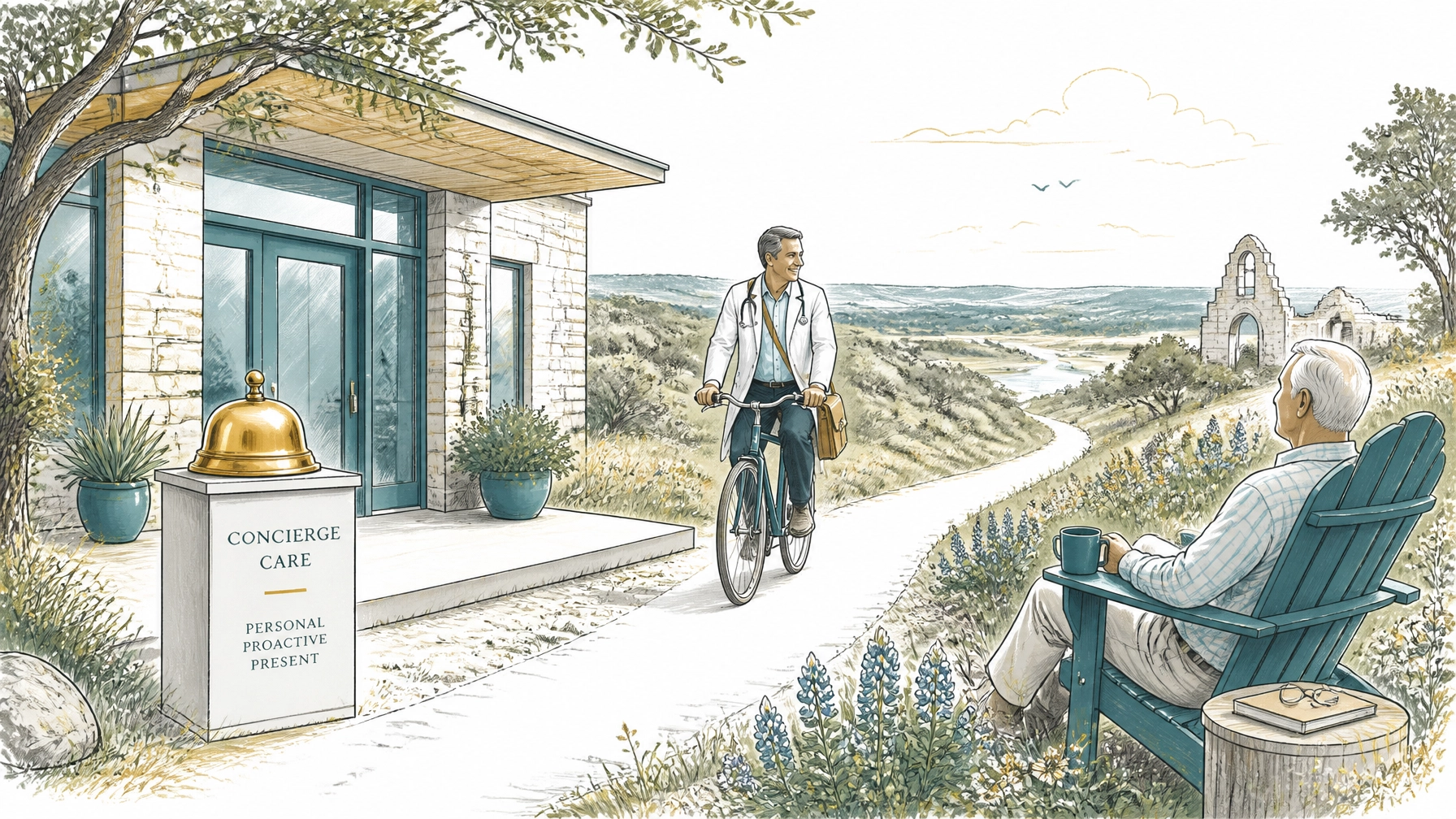
The Concierge Medicine Question: Is It Worth It for Hill Country Retirees?
For many retirees, moving to the Texas Hill Country means trading crowded commutes for quiet roads, limestone scenery, local restaurants, and a slower rhythm. It can also mean thinking differently about healthcare access. A primary care appointment may be farther from home than it was in a larger city. Specialist visits may require planning around…
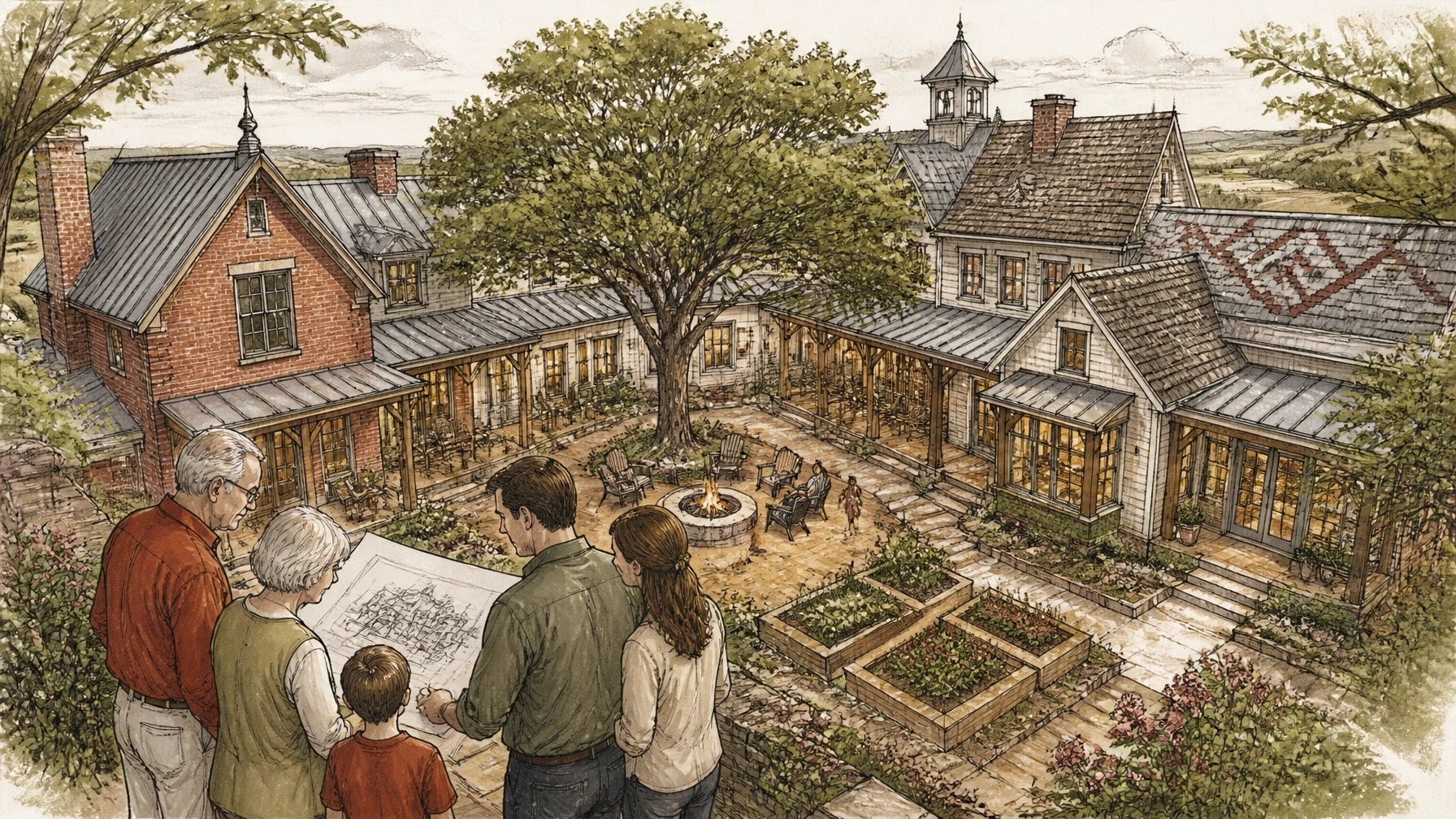
Multigenerational Hill Country Living: When the Whole Family Wants In
For many families, retiring to the Texas Hill Country is no longer just a decision for one couple. Adult children may want to move closer. Aging parents may need more support. Grandchildren may benefit from growing up near grandparents, surrounded by open space, slower mornings, and extended family. That is creating a new version of…
The Texas Hospitality Gap: What Out-of-State Retirees Don’t Expect
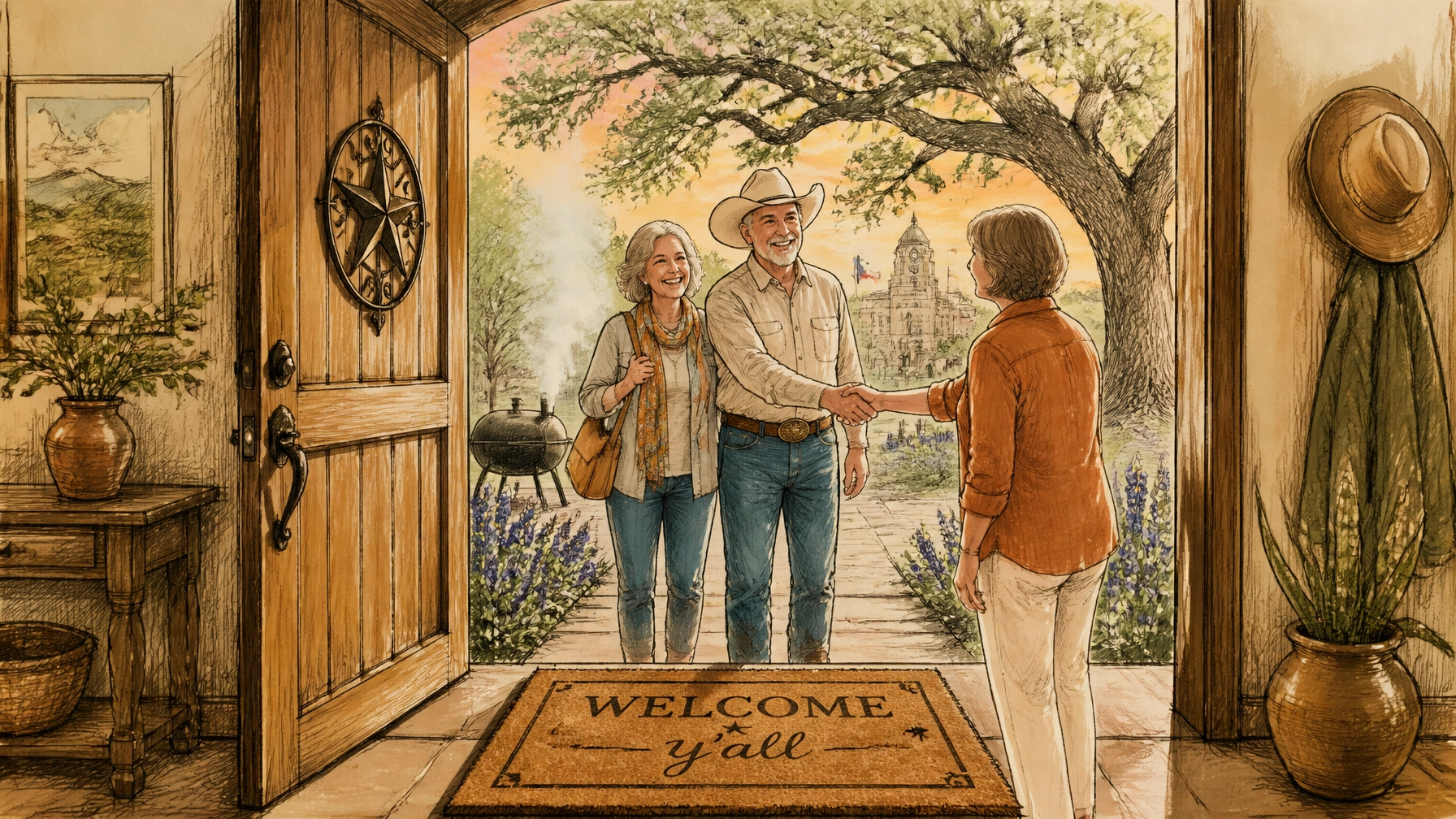
Moving to the Texas Hill Country can feel like stepping into a slower, warmer version of life. There are limestone buildings, live oak trees, porch conversations, farmers markets, local music, and neighbors who may wave as you pass. Many out-of-state retirees arrive expecting Texas hospitality to be genuine. In most cases, it is. But they…
Book Clubs, Lifelong Learning, and the Surprising Intellectual Life of Small Towns
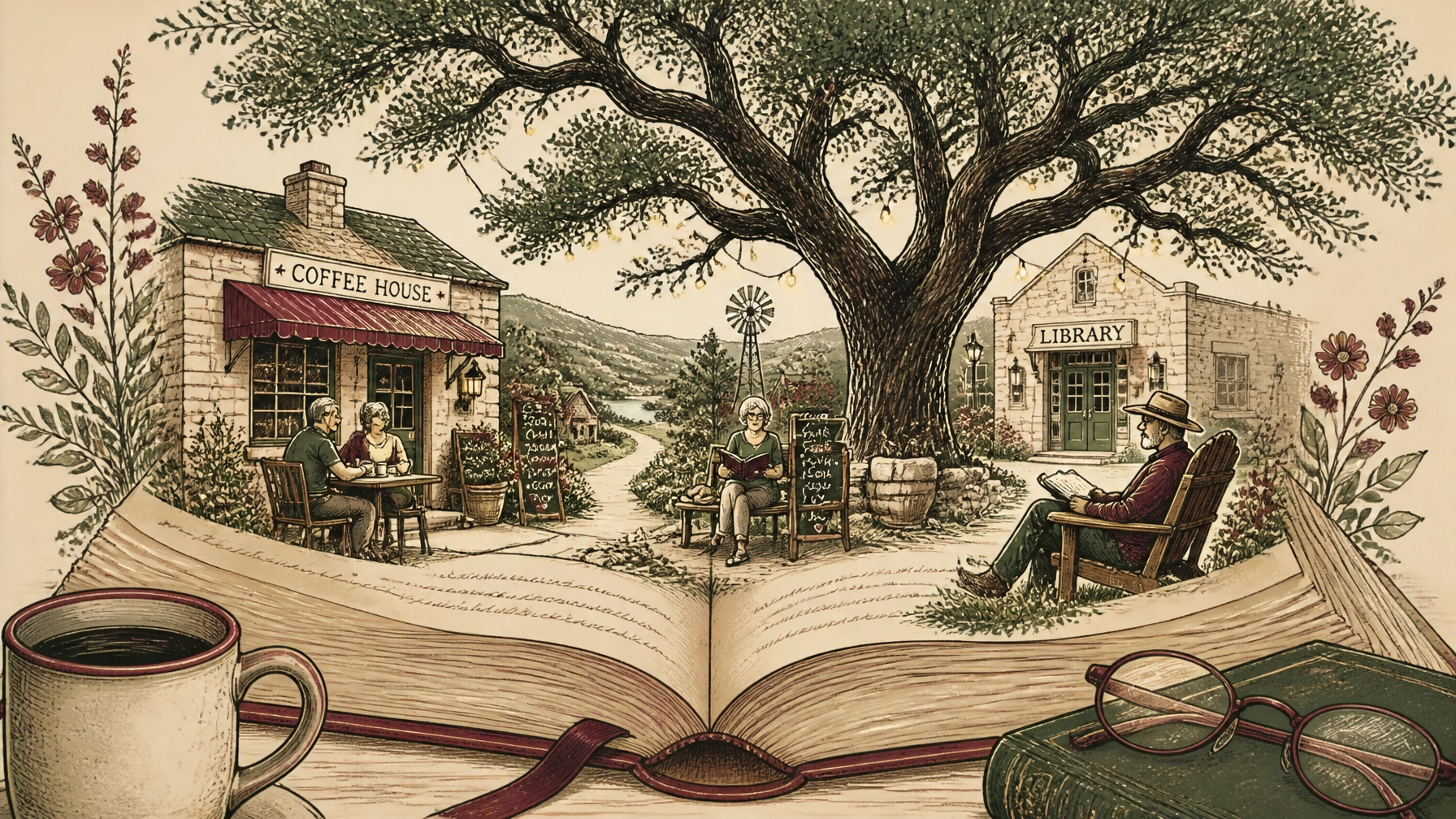
One of the most common concerns we hear from people considering a Texas Hill Country retirement is simple: “Will there be enough to do?” The question is understandable. Moving from a major metro area can create anxiety about access to cultural events, classes, lectures, and meaningful social connections. A small town may not have a…