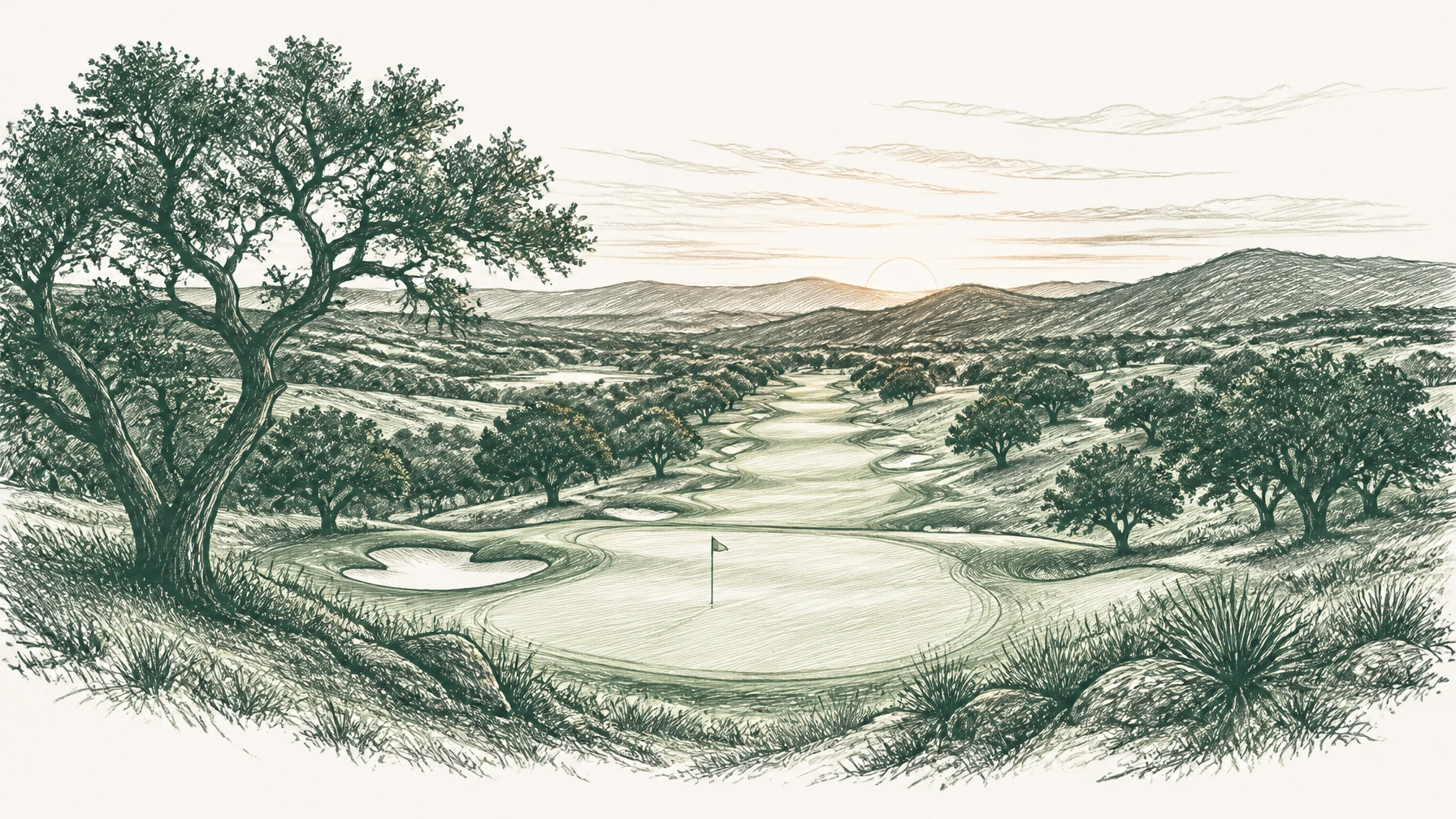
When David and I first drove through the gates of a premier golf course community near Boerne, we thought we had found the ultimate Texas Hill Country retirement. The fairways were a vibrant, impossible green against the rugged limestone hills, and the clubhouse looked like a postcard for "The Good Life."
We signed the papers on a stunning custom home backing up to the 14th hole, imagining peaceful mornings with coffee on the patio and afternoon rounds just steps from our back door. We were "buying the lifestyle."
But two years later, we were putting a "For Sale" sign in the yard.
Retiring to a golf course community sounds like a dream for many high-net-worth families moving to Texas. However, for us, and many others we’ve met since, the reality didn't match the brochure. If you are currently comparing Texas Hill Country communities, here is the honest truth about why we regretted our move and what we wish we’d considered first.
The "Fishbowl" Effect: Goodbye, Privacy
The biggest shock wasn't the cost (though we'll get to that); it was the lack of privacy. We moved to the Hill Country for the wide-open spaces and the quiet. Instead, we found ourselves living in a fishbowl.
Every morning at 6:00 AM, the industrial-sized mowers and blowers would begin their rounds. By 8:00 AM, a steady stream of golf carts was zipping past our master bedroom window. While the view of the fairway was beautiful, we quickly realized that it wasn't our view: it was shared with hundreds of strangers every week.

We couldn't enjoy a quiet breakfast in our pajamas without locking eyes with a foursome waiting at the tee box. Then there were the "stray gifts." We averaged three golf balls in our flower beds per week, and one particularly powerful slice even shattered a custom window pane in our sunroom.
The Financial Trap: When "Mandatory" Becomes a Burden
When you buy into many of these high-end communities, you aren't just buying a house; you are often entering into a complex financial commitment. Many retirees don't realize that inflation-proofing your Texas dream requires looking beyond the mortgage.
In our case, the "hidden" costs were staggering:
- Mandatory Social Memberships: Even if we didn't play golf every day, we were required to pay thousands in annual dues to maintain the clubhouse, pool, and dining facilities.
- Food and Beverage Minimums: We were essentially "pre-paying" for $300 worth of club food every month. If we didn't spend it, we lost it. We found ourselves eating overpriced wedge salads just to "get our money's worth."
- Special Assessments: When the club decided to renovate the bunkers or upgrade the irrigation system, the homeowners were often hit with five-figure special assessments.
From a wealth preservation standpoint, these are "leaky" expenses. They are fixed costs that don't necessarily add to your quality of life but can significantly impact your monthly cash flow during retirement.
The Social Monoculture
The third reason for our regret was the "social bubble." Golf course communities tend to be very homogenous. While it’s nice to be around people with similar interests, we found the environment became a bit of an echo chamber. Every dinner conversation revolved around handicaps, the club board’s latest drama, or who was moving in down the street.
We missed the eclectic energy of a real town. We realized we would have been much happier in a place like Wimberley or Fredericksburg, where the community is built around art, local markets, and a diverse mix of neighbors rather than a single 18-hole activity.
A Better Way to Retire in the Hill Country
After we sold our golf course home, we took a step back to re-evaluate. We realized that we didn't actually want to live on a golf course; we just wanted access to high-quality amenities and a sense of community.

For those looking for a peaceful Texas Hill Country retirement, there are far more flexible options:
- Luxury Acreage: Buying 5 to 10 acres gives you the privacy and views you actually want, without the 6 AM mowers. You can still join a local country club as an "outside member" without being tied to their HOA.
- Lock-and-Leave Communities: If maintenance is the concern, there are several low-maintenance communities for the traveling retiree that offer modern amenities without the rigid "golf-first" culture.
- Historic Town Living: Living near a downtown square provides a walkable, vibrant lifestyle that a gated community simply cannot replicate.
Integrating Lifestyle with Your Financial Plan
Your choice of neighborhood is one of the most significant financial decisions you will make in retirement. It isn't just about the purchase price; it’s about how that property fits into your broader retirement income planning and long-term liquidity.
At Mau Sanchez Capital, we emphasize that a well-constructed retirement portfolio should provide the freedom to change your mind. If you find that your "dream home" has become a source of stress, you should have the financial flexibility to pivot without jeopardizing your legacy.
"A retirement home should be an asset that enhances your life, not a liability that dictates your social circle and drains your liquidity through endless fees." : Mau Sanchez

We believe in a philosophy centered on publicly traded markets, long-term equity ownership, and proper asset allocation. This approach ensures your wealth is transparent and liquid: allowing you to fund the lifestyle you actually want, whether that’s a ranch in Dripping Springs or a villa in Fredericksburg.
Final Thoughts
If you love golf and thrive in a structured, country-club environment, these communities can be wonderful. But if you value privacy, financial flexibility, and a diverse social life, do your homework before signing that contract.
Visit the community on a busy Saturday. Stand in the backyard and listen to the golfers. Read the HOA bylaws cover-to-cover. And most importantly, speak with a fiduciary financial advisor to see how those mandatory dues and assessments fit into your 30-year projections.
Ready to plan your Hill Country transition with clarity and confidence?
Schedule a private meeting with a fiduciary financial advisor today by calling (512) 593-8380 or by visiting: https://calendly.com/portafoliocapital/15min
To learn more about our approach to wealth preservation and lifestyle-focused investment management, visit https://portafoliocapital.com/ or call us at (512) 593-8380.
Portafolio Capital Management dba Mau Sanchez Capital is a Registered Investment Adviser. This content is for informational purposes only and does not constitute investment advice or a solicitation to buy or sell any security. Advisory services are provided only pursuant to a written advisory agreement.
This article may include stories, scenarios, and perspectives created or assisted by artificial intelligence. Although the individuals and circumstances described may be fictional, the topics are intended to reflect real financial, personal, and lifestyle issues that retirees and individuals commonly face. The content is provided to encourage readers to consider different perspectives that may affect their retirement, regardless of whether they are currently planning, approaching retirement, or already retired. It is intended for general educational and informational purposes only and should not be interpreted as personalized investment, financial, tax, legal, medical, or retirement-planning advice. Individual circumstances vary. Readers should independently verify any information presented and consult appropriately qualified professionals before making financial or personal decisions. No advisory, professional, or client relationship is created through the use of this website.
Leave a Reply