When we first scouted the Texas Hill Country for our retirement, we had a very specific image in mind: limestone patios, sunset views over the Pedernales River, and mild, short-sleeve winters. We weren't alone. Thousands of retirees flock to towns like Boerne, Wimberley, and Fredericksburg every year, enticed by the promise of a "lock and leave" lifestyle and a climate that rarely requires a heavy coat.
For a few years, that dream held steady. We enjoyed the lifestyle perks of Fredericksburg and grew accustomed to "winter" being a two-week affair in January. But then came February 2021.
The "Great Texas Freeze," as it’s now known, didn't just drop the temperature; it fundamentally changed how we view seasonal living and home infrastructure in Central Texas. If you are considering a transition to ranch life or high-end Hill Country living, our experience serves as a roadmap for the resilience you’ll need to build into your retirement plan.
The Myth of the "Winterless" Retirement
We moved here for the sun, but we stayed for the community. However, the 2021 freeze was a stark reminder that even in a region known for heat, nature has a way of balancing the scales. According to the National Weather Service, the Arctic outbreak of February 2021 brought multiple days of subfreezing temperatures, with ice and snow accumulations that the local infrastructure simply wasn't designed to handle.

For retirees, this wasn't just an inconvenience; it was a wake-up call regarding home preparation. Most Texas homes are built to shed heat, not trap it. Pipes are often located in exterior walls or uninsulated attics: a design choice that makes sense for 100-degree Augusts but becomes a liability when the thermometer hits zero.
During that week, we watched as the power grid struggled and eventually gave way. More than 4.5 million Texans lost electricity, and in the Hill Country, where many of us rely on private wells or localized utility co-ops, the loss of power meant the loss of water and heat simultaneously.
Lessons in Infrastructure: Why Your Home Needs a "Plan B"
The freeze taught us that if you are living in a luxury Hill Country community, beauty shouldn't come at the expense of resilience. As we navigated the aftermath, the conversation among our neighbors shifted from landscaping and wine clubs to generators and insulation.
The Generator Decision: Standby vs. Portable
For many retirees, the most significant investment after the freeze was an automatic standby generator. When you’re in your 60s or 70s, the idea of dragging a heavy portable generator out of the garage and fumbling with gasoline cans in a snowstorm isn't just unappealing: it’s potentially dangerous.

A permanently installed standby generator, typically running on natural gas or a large on-site propane tank, offers a "set it and forget it" solution. These units detect a power loss and kick in within seconds, powering critical systems like:
- HVAC systems (especially important if you have an all-electric heat pump)
- Well pumps (crucial for those on acreage)
- Medical equipment (CPAPs, oxygen concentrators, or refrigerated medications)
- Kitchen appliances to prevent food loss
While the upfront cost for a whole-house system can reach the low five figures, it provides a level of security that is invaluable for those living a lock-and-leave lifestyle. If you are away during a freeze, knowing your pipes won't burst because the heat stayed on is worth the investment.
The Financial Reality of Resilience
In our discussions with Mau Sanchez Capital, we’ve learned that a truly robust retirement plan accounts for these "unseen" capital expenditures. It’s easy to budget for property taxes and HOA fees, but budgeting for home resilience: like upgrading insulation or installing a $15,000 generator: requires a different level of liquidity management.
"A well-constructed portfolio isn't just about growth; it's about providing the liquidity necessary to protect your lifestyle when the environment shifts." : Mau Sanchez
When building out your retirement income planning, consider these infrastructure upgrades as part of your "lifestyle preservation" bucket. We often focus on inflation-proofing our retirement, but climate-proofing is becoming equally essential.

Is Seasonal Living Still the Goal?
Many people move to the Hill Country thinking they will be "snowbirds," spending winters here and summers elsewhere. The 2021 freeze flipped that script for some, leading them to wonder if they should be "summer-birds" instead: escaping the Texas heat and returning for the gorgeous spring and fall seasons.
Regardless of your seasonal schedule, the reality is that the Hill Country is a year-round commitment if you own property here. Managing a home in this region requires an active approach. You need to know where your main water shut-off is, ensure your outdoor living spaces are winterized, and have a reliable relationship with local contractors.
The Beauty of the Seasons
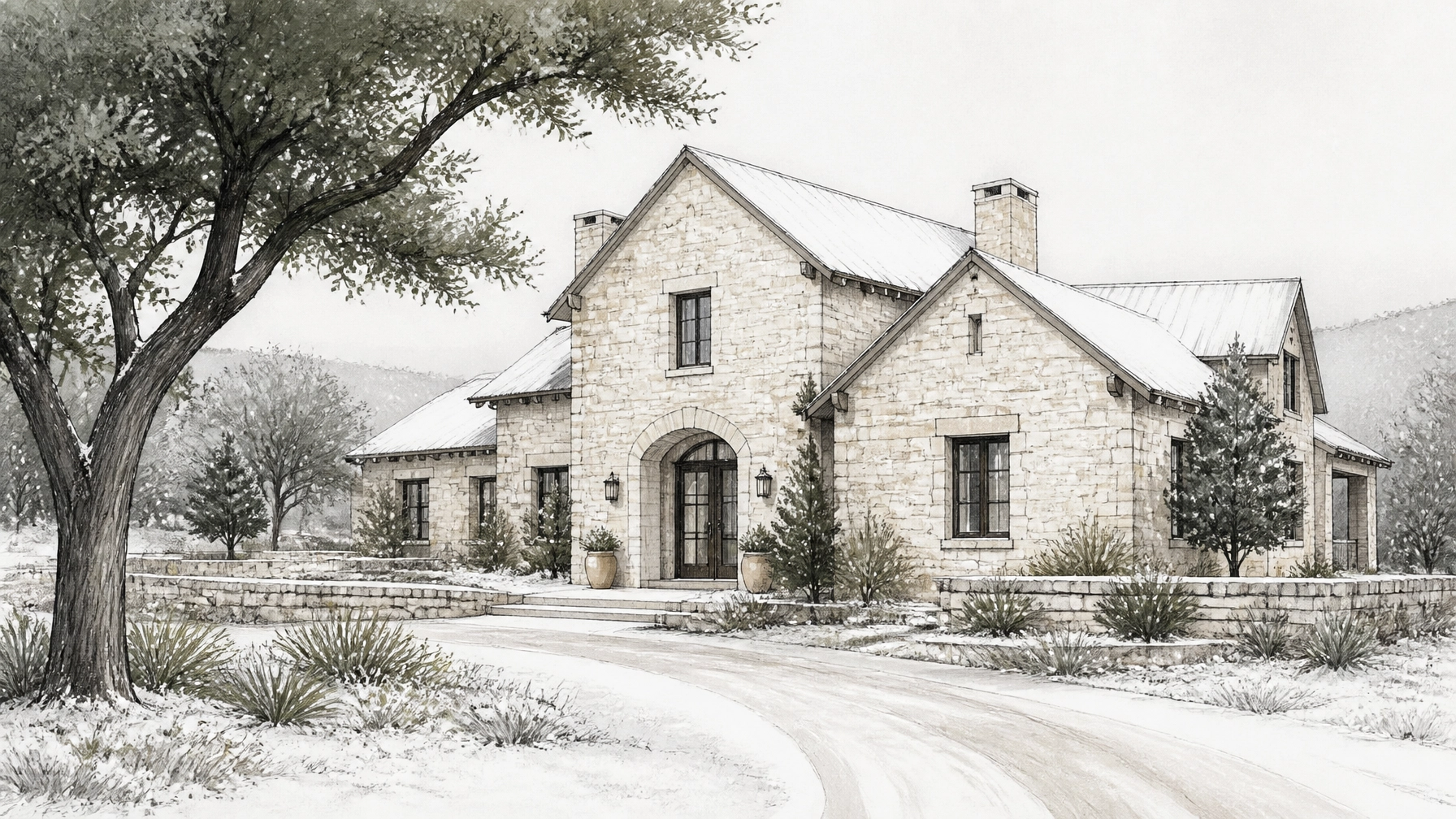
Despite the challenges of that one historic winter, we haven't regretted our move. In fact, seeing the Hill Country dusted in white was one of the most beautiful sights we’ve experienced. The contrast of the dark green cedars against the soft white snow provided a perspective on this landscape that many visitors never get to see.
We simply learned that "peaceful retirement living" isn't a passive state; it’s something you prepare for. By investing in the right infrastructure and aligning your financial resources to support that resilience, you can enjoy everything from the bluebonnets of April to the occasional (and now better-managed) frost of February.

Planning for the Long Term
If you are currently evaluating a move to the Hill Country or looking to shore up your current retirement residence, the best first step is to ensure your financial plan can weather any storm. Whether that means managing liquidity for home improvements or restructuring your asset allocation to favor transparency and cost efficiency, having an expert guide makes all the difference.
At Mau Sanchez Capital, we focus on helping families navigate these transitions with clarity. We favor publicly traded markets, proper risk management, and fiduciary advice that puts your specific goals: and your peace of mind: first.
Schedule a private meeting with a fiduciary financial advisor today by calling (512) 593-8380 or by visiting: https://calendly.com/portafoliocapital/15min
Portafolio Capital Management dba Mau Sanchez Capital is a Registered Investment Adviser. This content is for informational purposes only and does not constitute investment advice or a solicitation to buy or sell any security. Advisory services are provided only pursuant to a written advisory agreement.
To learn more about how we can help you design a portfolio that supports your Hill Country lifestyle, visit Portafolio Capital or give us a call at (512) 593-8380.
This article may include stories, scenarios, and perspectives created or assisted by artificial intelligence. Although the individuals and circumstances described may be fictional, the topics are intended to reflect real financial, personal, and lifestyle issues that retirees and individuals commonly face. The content is provided to encourage readers to consider different perspectives that may affect their retirement, regardless of whether they are currently planning, approaching retirement, or already retired. It is intended for general educational and informational purposes only and should not be interpreted as personalized investment, financial, tax, legal, medical, or retirement-planning advice. Individual circumstances vary. Readers should independently verify any information presented and consult appropriately qualified professionals before making financial or personal decisions. No advisory, professional, or client relationship is created through the use of this website.
Leave a Reply