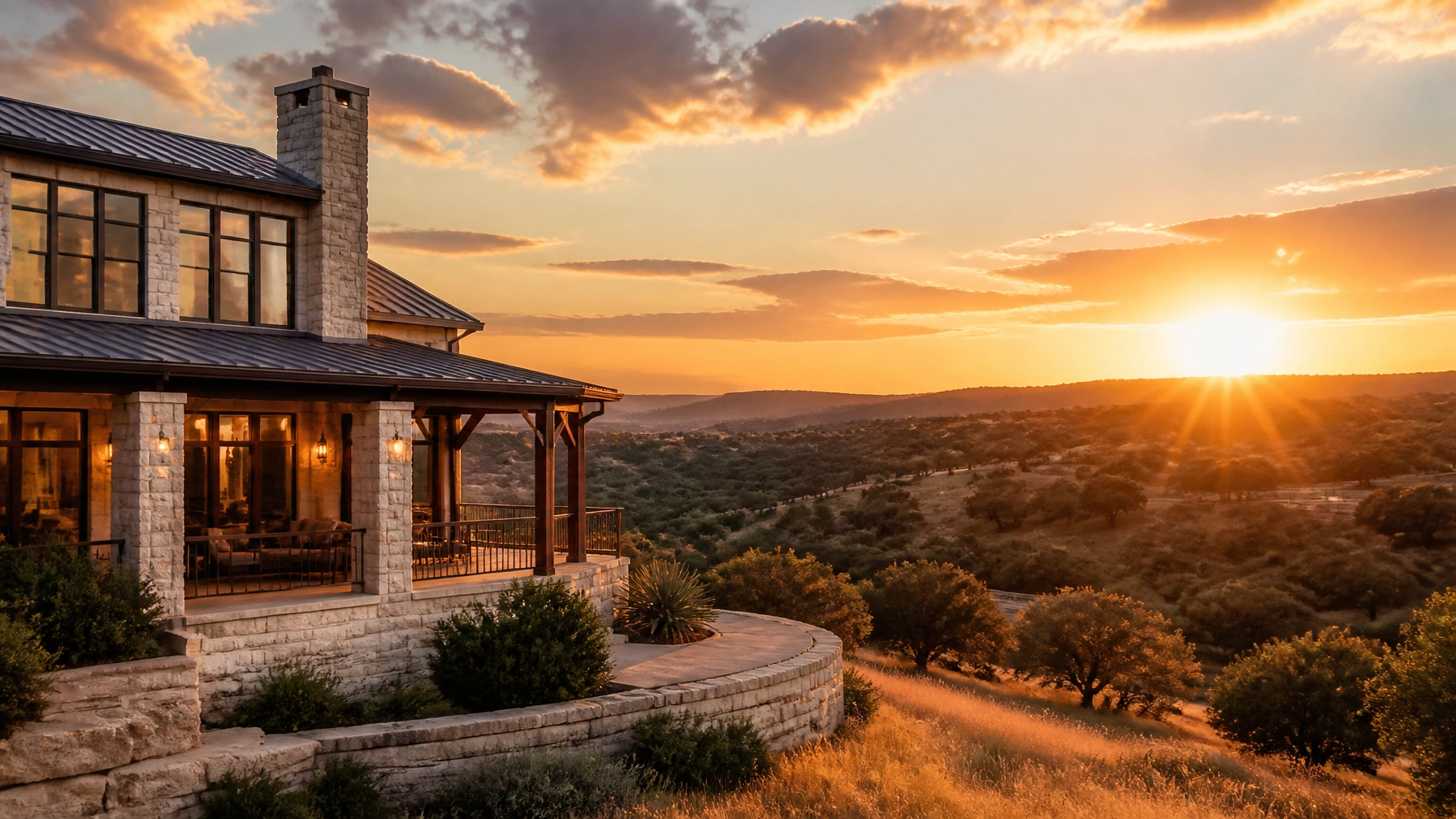
There is something deeply grounding about owning a piece of the Texas Hill Country. Whether it’s a sprawling ranch outside of Fredericksburg, a custom limestone home in Boerne, or a few quiet acres tucked away in Wimberley, land in this part of the world isn’t just real estate, it’s a legacy.
For many retirees moving to the Hill Country, or those who have called it home for decades, the transition of that land to the next generation is a primary concern. However, Texas land laws can be surprisingly complex, especially when you mix long-held family acreage with the nuances of community property and separate property rules.
At Hill Country Retirement Guide, we see this transition as a vital part of your lifestyle design. While we aren’t estate planners or attorneys, understanding the landscape of inheritance laws is essential for any family looking to protect their "Texas dream" for the years to come. In this guide, we’ll explore the hurdles, the defaults, and the modern tools available to help you navigate land inheritance in the Lone Star State.
The Foundation: Community vs. Separate Property
In Texas, everything starts with how the land is classified. Texas is one of the few "community property" states, which generally means that any assets acquired during a marriage are owned 50/50 by both spouses. But Hill Country land often tells a different story.
What is Separate Property?
Rural property and family ranches are frequently classified as separate property. This includes land that:
- You owned before you were married.
- You received as a gift or an inheritance during the marriage.
- You acquired using only separate property funds.
Why does this matter? Because if you pass away without a clear plan, Texas law treats separate property differently than community property. For example, if you inherit a ranch from your parents and keep it separate from your joint bank accounts, that land remains yours alone. If you haven’t specifically titled it or created a deed to transfer it, the state’s default rules (intestacy) kick in, and they might not do what you expect.

The "Default" Surprise: Intestacy and the Life Estate
Many people assume that if they die without a will (dying "intestate"), everything simply goes to their spouse. In Texas, that isn't always the case for real estate, especially if you have children from a previous marriage.
According to the Texas Estates Code, if a spouse dies intestate and owns separate real property:
- The surviving spouse typically receives a life estate in one-third of the property.
- The children receive the remaining two-thirds and the "remainder interest" in the spouse's one-third.
This means your spouse has the right to live on and use the land for their lifetime, but they don't own it outright. They can’t sell the whole property without the children’s consent. This "fragmented title" is a common source of family friction, particularly in the sprawling acreage of the Hill Country where values have skyrocketed. To avoid these surprises, many are looking at building vs. buying luxury homes with clear titling from day one.
Avoiding the Probate Trap: TODDs and Lady Bird Deeds
Probate in Texas can be efficient, but it can also be a public, time-consuming process that many families would rather avoid. Fortunately, there are "non-probate" tools designed specifically for real estate.
Transfer on Death Deeds (TODD)
A Transfer on Death Deed is a statutory tool that allows you to name a beneficiary for your property who will receive it automatically upon your death. You retain full control, ownership, and the right to revoke the deed during your lifetime. It’s like a "payable on death" designation for your land.
The "Lady Bird" Deed
Commonly used by Texas estate attorneys, an Enhanced Life Estate Deed (or "Lady Bird" deed) offers similar benefits. You keep the right to live on the land, sell it, or mortgage it during your life, but at your passing, it transfers directly to your heirs without going through the probate court. This is often a preferred method for those wanting to maintain maximum flexibility while protecting their retirement income strategies.

The Danger of "Heirs’ Property"
One of the biggest risks to Hill Country land is the creation of "heirs’ property." This happens when land passes through generations without clear deeds, leaving dozens of cousins or distant relatives as "tenants in common."
When property is owned this way:
- Any single co-owner can force a "partition sale," potentially forcing the family to sell the entire ranch.
- It is difficult to get loans, insurance, or agricultural exemptions because the title is "clouded."
- Decisions about the land require consensus that is often impossible to reach.
Protecting the legacy of the best places to retire in the Hill Country requires proactive planning to ensure the title remains clean and the land remains in the hands of those who truly value it.
Land as Part of a Holistic Retirement Plan
While land is a beautiful asset, it is also an illiquid one. At Mau Sanchez Capital, we believe that a truly successful retirement in the Hill Country requires a balance between your real estate "legacy" and your liquid wealth.
If too much of your net worth is tied up in acreage, you may find yourself "land rich and cash poor." We focus on helping retirees design portfolios that favor:
- Publicly traded markets: Stocks and traditional fixed income provide the liquidity needed to pay property taxes and maintenance on a large Hill Country estate.
- Transparency and Cost Efficiency: Avoiding complex, high-fee alternative investments allows more of your wealth to stay within your family.
- Risk Management: Proper asset allocation ensures that even if land values fluctuate, your retirement income remains stable.
"A ranch is a place of peace, but without a liquid portfolio to support it, it can quickly become a burden for the next generation." , Mau Sanchez

Moving Forward with Confidence
Navigating Texas estate laws for your property isn't just about legal documents; it's about peace of mind. By understanding how separate and community property interact and utilizing tools like Transfer on Death Deeds, you can ensure your Hill Country home remains a sanctuary for your family rather than a source of legal stress.
Ready to align your Hill Country lifestyle with a professional wealth preservation strategy?
Mau Sanchez Capital specializes in helping families navigate the financial complexities of high-value transitions. Whether you are moving to the area or preparing to pass on your legacy, we are here to help you design a portfolio that supports your life in the hills.
Schedule a call with a fiduciary financial advisor today: https://calendly.com/portafoliocapital/15min
Learn more about our approach: https://portafoliocapital.com/
Give us a call: (512) 593-8380
Disclaimer:
Portafolio Capital Management dba Mau Sanchez Capital is a Registered Investment Adviser. This content is for informational purposes only and does not constitute investment advice or a solicitation to buy or sell any security. Advisory services are provided only pursuant to a written advisory agreement. We are not attorneys or tax advisors; please consult with a qualified professional regarding legal or estate planning matters.
Leave a Reply