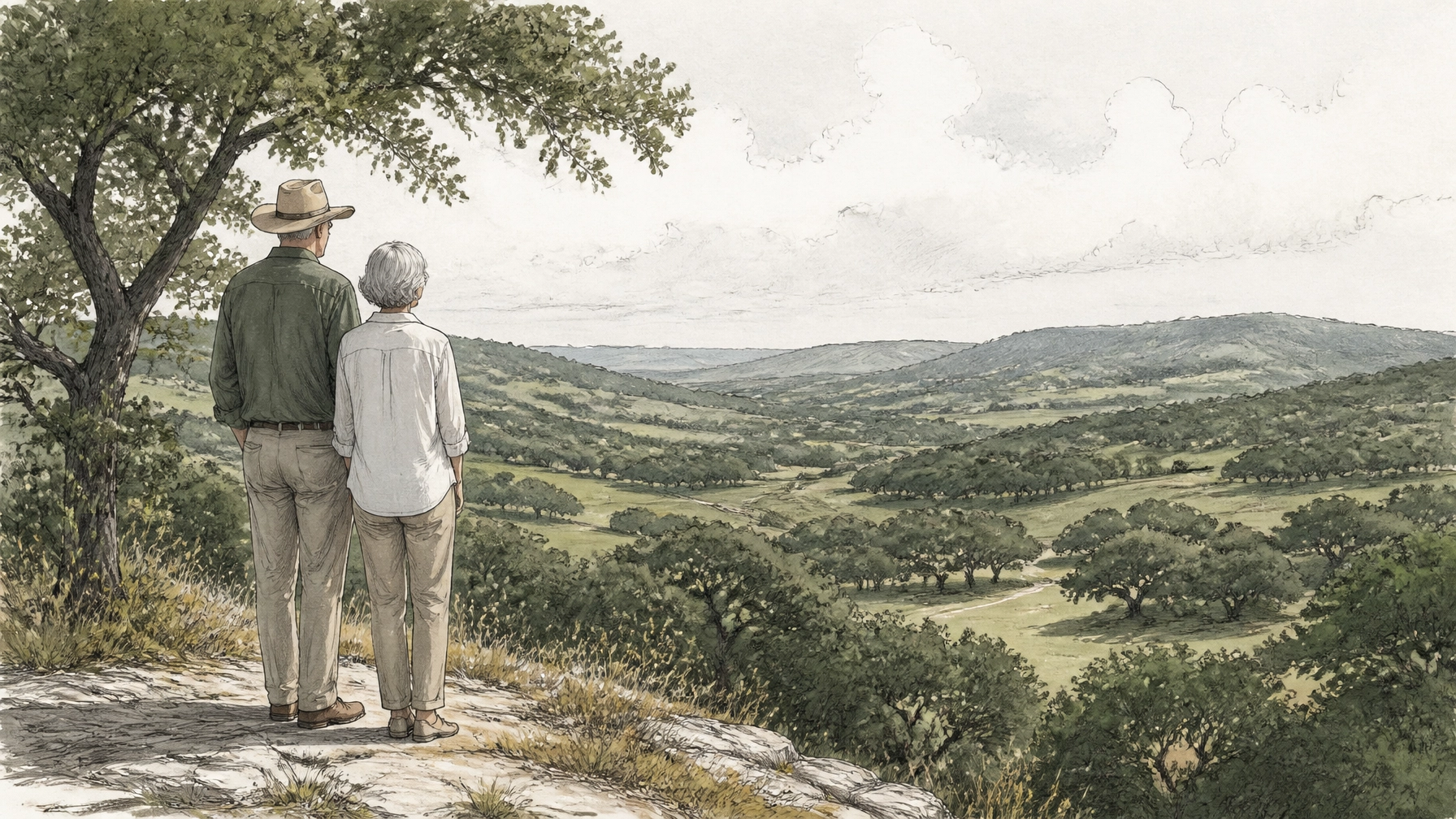
It started with a long weekend in Fredericksburg. The air was crisp, the wine was excellent, and the pace of life felt like a deep, much-needed exhale. By the time my spouse and I were heading back to our suburban home in the Midwest, we weren’t just talking about the trip: we were talking about a move.
Six months later, we had bypassed the "rent before you buy" advice and closed on a beautiful stone home with three acres near the Blanco River. We were officially Hill Country retirees.
But as the honeymoon phase faded and the reality of daily life set in, we realized that visiting a place and living in it are two entirely different experiences. If I could go back and talk to that version of myself: the one frantically packing boxes: here is exactly what I would tell them about the "shocks" that no one mentions in the travel brochures.
1. The Healthcare "Gap" is Real
When we moved, we were both healthy 65-year-olds. We figured a local clinic for checkups and a pharmacy in town would be plenty. What we didn't account for was the specialized care that becomes more frequent as you age.
Living in some of the more rural corners of the Hill Country means you are often a 60-to-90-minute drive from top-tier specialists in Austin or San Antonio. When my husband needed a specific cardiovascular consult, that "quick appointment" turned into a six-hour round-trip ordeal.
If you’re moving from a major metro area, you’re used to having a world-class hospital system ten minutes away. Out here, you have to plan for the "80-year-old version of yourself." Will you still want to make that drive when you’re fifteen years older?

2. The Property Tax Paradox
Texas is famous for having no state income tax, which is a massive win for retirees. We did the math and saw how much we’d save on our IRA distributions. However, we weren't fully prepared for the property tax bills in fast-growing counties like Comal or Hays.
Because there is no income tax, the state relies heavily on property taxes to fund schools and infrastructure. In booming areas like Boerne or New Braunfels, home values have skyrocketed. Even with the "Over-65" exemptions that help freeze school taxes, your overall bill can still be a significant line item in your retirement budget.
I wish I had sat down with a professional to model out how those taxes: combined with rising insurance costs in Texas: would impact my long-term cash flow. It’s a tax-efficient move for many, but it isn't "cheap."
3. Tuesday Peace vs. Saturday Chaos
When we visited during the week, the towns were sleepy and charming. Once we moved, we learned the "Local’s Rule": Never go into town on a Saturday.
Places like Wimberley and Fredericksburg are tourist magnets. During festival seasons or even just nice spring weekends, the quiet historic streets turn into a gridlock of out-of-towners. The local restaurants you love will have two-hour waits, and finding a parking spot near the town square becomes a competitive sport.
Learning to navigate the seasonal crowds is part of the lifestyle, but it was a adjustment from the "peaceful" vision we had in our heads.

4. The Social "Island" Effect
In the city, you have "incidental community." You see people at the gym, the grocery store, and on the sidewalk. On three acres in the Hill Country, your nearest neighbor might be a mile away.
While the privacy is incredible, building a new social circle at 65 requires deliberate effort. We had to seek out active lifestyle hubs and community events to keep from feeling isolated.
"The hardest part isn't the move itself; it's the realization that you have to be the architect of your own social life once you leave your lifelong networks behind." : Anonymous Hill Country Resident
5. Aligning Your Portfolio with Your New Reality
The most important thing I wish I’d known was how much the "hidden" costs of Hill Country living: like high-end property maintenance, rising taxes, and travel back to see family: would shift my financial needs.
I realized that my retirement portfolio couldn't just be "set and forget." I needed a strategy that focused on transparency, liquidity, and a long-term equity ownership mindset to keep up with the inflation and growth of this region.
Working with a fiduciary who understands the specific nuances of a Texas Hill Country retirement made all the difference. It wasn't about finding "secret" investments; it was about proper asset allocation and risk management that accounted for my new lifestyle.

The "I Wish I'd Known" Checklist
If you’re planning to skip the trial run and dive straight into your Hill Country dream, here is my advice:
- Audit Your Healthcare: Identify where your specific specialists are located. Are they in the local town, or will you be driving to San Antonio?
- Run the Tax Math: Don't just look at the current property tax; look at the assessed value trends in that county over the last five years.
- Visit on a "Bad" Day: Come during the hottest week of August or the busiest festival weekend in October. If you still love it then, you’ll love it forever.
- Check the "Lock-and-Leave" Potential: If you plan to travel, look into low-maintenance communities rather than sprawling acreage that requires constant upkeep.
- Consult a Local Expert: Your financial plan should reflect your new geography.
The Texas Hill Country is a spectacular place to retire: I wouldn't trade my sunset views for anything. But like any major life transition, it's the things you don't see on the postcard that define your daily happiness.
Schedule a private meeting with a fiduciary financial advisor today by calling (512) 593-8380 or by visiting: https://calendly.com/portafoliocapital/15min
Portafolio Capital Management dba Mau Sanchez Capital is a Registered Investment Adviser. This content is for informational purposes only and does not constitute investment advice or a solicitation to buy or sell any security. Advisory services are provided only pursuant to a written advisory agreement.
Leave a Reply